Awards & Nominations
Orbitals has received the following awards and nominations. Way to go!
Global Nominee

Orbitals has received the following awards and nominations. Way to go!
We developed a 3-D globe that can be used to visualize craters, moonquakes, landing sites, and in-general data. We created the globe using Javascript to render the 3D model and Python to create simulated data and designs.It solved the challenge since we were tasked to develop an app that plots the seismic data these instruments transmitted back to Earth on an interactive 3-D globe. The 3-D models help to explore the seismic events happening around the moon.The seismic events will appear like a ripple in the 3-D moon globe, and the seismometer will be shown.
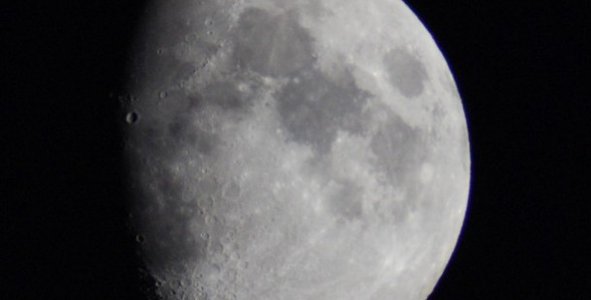
 The digital moon shows the artificial impacts recorded by NASA, it shows all of the landers that landed on the moon, and it offers the sensors, including the simulated moonquakes. The digital moon is a 3-D globe created in Javascript using ThreeJs, Globe-Ar, and other utility libraries. The data is gathered from Nasa Archives and research papers, but
we're currently using Javascript to render the 3D model and Python to create simulated data, designs, and so forth. The benefit of the 3-D models helps to explore the seismic events happening around the moon. These seismic events will appear like a ripple in the 3-D moon globe, and the seismometer will be shown. We wanted to explore moonquakes around the moon and gather information from the seismometers.

NASA resoucrses avaible from the NSSA website;
Generate moonphphoto
List of artificial impacts
Moonquake simulation
Sensor Data
NSSA
A picture showing the Apollo 11 Passive Seismic Experiment.
 My teammates and I were able to collaborate and think critically to produce a well-rounded project about making a moonquake map. We created a 3-D moon globe with seismic data that will benefit us in understanding more about moonquake events and the advancement of using seismometers as space technology. This experience also helped us enhance our social, research, and developing skills. We picked the challenge "Make a moonquake map!" because it seemed intriguing and challenging. We came here to be risk-takers and problem solvers, and we believe we were able to accomplish our goals. We did face a lot of difficulties. There were times when we had coding errors, and the Japanese server was down during the hackathon. It caused a significant issue since we won't access the moonquake's data. To overcome this, we created our simulated moonquake data on what the final project would look like and if we could include everything in the time given. But we were open-minded and accepting of views from all our members, and with teamwork comes dreamwork. Luckily, we achieved our goal and completed our 3-D moon globe.
REFERENCES USED
Image Citations
Google Docs Citations
#coding #java # python #moonquake #seismicevents #NSSA #NASA #space #moon #spaceappchallenge
