

High-Level Project Summary
Our project entails the journey of how the Parker Solar Probe became the first manmade object to enter the Sun’s atmosphere. In order to tell this fantastic story, we have developed a website catered to younger audiences that highlight everything you would want to learn about the Parker Solar Probe. By telling a simple yet compelling story, we are able to entertain younger audiences about the wonders of space, and simultaneously break down complicated concepts in astronomy and aerospace engineering in a manner that’s easy to understand. In doing so, we solve the challenge of getting younger audiences interested in the more nuanced parts of space exploration.
Link to Final Project
Link to Project "Demo"
Detailed Project Description
Our project is a website using the coding languages HTML5, CSS, and JavaScript. Our website features a homepage describing the purpose of the Parker Space Probe, and why this man-made spacecraft is so important. Our website features another page specifically about the engineering process and technologies featured on the Parker Space Probe. In addition, there is also another page dedicated to the journey that the probe underwent, the marvelous feats that were achieved as well as the challenges faced. Finally, our website features a game that comically resembles the Parker Space Probe navigating toward the sun with the harsh solar winds acting as obstacles. Throughout the website, you will find interesting visuals such as diagrams, pictures, and embedded videos about the mission in order to increase the comprehension of the information at hand. Our project hopes to achieve in making this information about the Parker Space Probe easier to access. On one website, one could easily understand and learn all about the Parker Space Probe. Having all of this information in all one place could prove extremely efficient in spreading the knowledge of not only the Parker Space Probe but for future achievements in space discovery. To cater to younger audiences, we implemented a story that would unfold throughout the entire website. As users explored the website, we hope to get them invested in the story, that way, the learning of more complicated topics would come naturally.
Space Agency Data
Aside from articles provided by NASA, our project used no open data from any space agency. We felt that using open data by a space agency may be too out of scope for our intended younger audience.
Hackathon Journey
Since it was everyone’s first Hackathon, we would say that it was quite intimidating at first. Unsure of how Hackathons work, we finalized a team just the night before the event started. Knowing that we had to work together for the next two days, we agreed to go on a zoom call to try to get to know each other better. As expected, it was quite awkward at first. However, after a few ice breakers, we were starting to get more comfortable with each other and started discussing what we wanted to do. It has been a while since most team members used HTML, so we agreed to choose a beginner-friendly level project: Journey to the Sun. As soon as we open the resources tab, we discovered that there was so much information to cover. Keeping in mind that we had a 48 hours timer, we knew we had to split the tasks up. Before we could identify the roles, we had to make an outline of what our final product should consist of: a slideshow presentation for the demo, a website to explain Parker’s Journey, and a game to keep the children entertained. 2 people were in charge of researching, 2 people were responsible for the skeleton of the website while the remaining were in charge of making the game and creating the demo. As members are paired up and in their respective zoom calls, each pair realized that they had no idea where to start. The coding team commented that if they do not have all the information to be put on the website, the structure will change significantly. At least, they should have an overall plan of what each tab would look like, what each area would cover, so they could just copy and paste the text after. The research team quickly drew an overview of how each page would look and got the approval of the whole team before they dived deeper into the specifics. As we continued, each pair had their own obstacles. There was a vast amount of information to cover, and the research team had limited time. Keeping in mind that this website is meant for kids, we had to convert the articles into easier texts to read from so the kids will not get bored or confused. The pair agreed that a time limit of 3 hours should be set for individual research for better focus, then the two would link up and create the storyline together using google docs. They kept in mind that pictures should also be included to keep the kids engaged. After consulting with multiple Hackathon advocates, the coding team knew it was best if the two could simultaneously code together. Thus, they decided to download GitLive for live sharing. While it worked at first, it suddenly crashed and all the code suddenly disappeared. Although frustrated, the two knew there was no time to waste. They decided to switch to Replit. Although the two had no experience with it before, they knew a few youtube tutorials could fix the problem. It was a much easier platform to work with! There were also problems concerning how the website was scaled differently when accessed from different platforms. For the game pair, they have only taken very limited computer science classes. However, they still prevailed. They spent the first day learning a new language and all the intricate aspects of constructing a game. On the second day, they implemented what they have learned and created the demo presentation.
Overall, our Space Apps experience was amazing.We learned what it was like to communicate with a group of people who all had the same goal in mind, but came from completely different skills and backgrounds. We also learned how to manage our time wisely and how to effectively delegate tasks. One of the most important things we found effective during our process of creating our project was to give everyone a voice in the project. That meant that everyone was free to express their opinions about the current state of our project, and any suggestions should be taken in a serious manner. Through this event, we also had the opportunity to meet new friends that are passionate about related fields.
References
Articles
- Barnett, A. (2022, March 1). Eclipses Home | Eclipses –. NASA Solar System Exploration. Retrieved October 2, 2022, from https://solarsystem.nasa.gov/eclipses/home/
- Darling, S. & NASA Headquarters, Washington. (2018, July 26). Traveling to the Sun: Why Won’t Parker Solar Probe Melt? NASA. Retrieved October 2, 2022, from https://www.nasa.gov/feature/goddard/2018/traveling-to-the-sun-why-won-t-parker-solar-probe-melt/
- Dunbar, B. (2022, September 6). The Heliopedia (M. Hatfield, Ed.). NASA. Retrieved October 2, 2022, from https://www.nasa.gov/mission_pages/sunearth/the-heliopedia/#Supergranules
- Dunbar, B. & NASA. (2021, March 9). Aurora: Illuminating the Sun-Earth Connection (K. Fox, Ed.). NASA. Retrieved October 2, 2022, from https://www.nasa.gov/aurora/
- Frazier, S. (2020, December 17). NASA’s Parker Solar Probe Sheds New Light on the Sun (R. Garner, Ed.). NASA. Retrieved October 2, 2022, from https://www.nasa.gov/feature/goddard/2019/nasas-parker-solar-probe-sheds-new-light-on-the-sun/
- Gold, A. (2021, December 10). Five Questions About Space Weather and Its Effects on Earth, Answered (M. Hatfield, Ed.). NASA. Retrieved October 2, 2022, from https://www.nasa.gov/feature/goddard/2021/five-questions-about-space-weather-and-its-effects-on-earth-answered/
- Gold, A., & Hatfield, M. (Eds.). (2021, December 10). Five Questions About Space Weather and Its Effects on Earth, Answered. NASA. Retrieved October 2, 2022, from https://www.nasa.gov/feature/goddard/2021/five-questions-about-space-weather-and-its-effects-on-earth-answered/
- Hatfield, M. (2021a, November 10). Space Dust Presents Opportunities, Challenges as Parker Solar Probe Speeds Back toward the Sun – Parker Solar Probe. Retrieved October 2, 2022, from https://blogs.nasa.gov/parkersolarprobe/2021/11/10/space-dust-presents-opportunities-challenges-as-parker-solar-probe-speeds-back-toward-the-sun/
- Hatfield, M. (2021b, December 10). Solar Tour Pit Stop #8: Venus – The Sun Spot. Retrieved October 2, 2022, from https://blogs.nasa.gov/sunspot/2021/12/10/solar-tour-pit-stop-8-venus/
- Hatfield, M. (2021c, December 11). Solar Tour Pit Stop #9: The Solar Wind – The Sun Spot. Retrieved October 2, 2022, from https://blogs.nasa.gov/sunspot/2021/12/11/solar-tour-pit-stop-9-the-solar-wind/
- Hatfield, M. (2021d, December 14). Solar Tour Pit Stop #12: At the Sun – The Sun Spot. NASA the Sun Spot. Retrieved October 2, 2022, from https://blogs.nasa.gov/sunspot/2021/12/14/solar-tour-pit-stop-12-at-the-sun/
- Johnson-Groh, M. (2021a, December 9). Five Weird Things That Happen in Outer Space (M. Hatfield, Ed.). NASA. Retrieved October 2, 2022, from https://www.nasa.gov/feature/goddard/2021/five-weird-things-that-happen-in-outer-space/
- Johnson-Groh, M. (2021b, December 21). NASA Enters the Solar Atmosphere for the First Time (M. Hatfield, Ed.). NASA. Retrieved October 2, 2022, from https://www.nasa.gov/feature/goddard/2021/nasa-enters-the-solar-atmosphere-for-the-first-time-bringing-new-discoveries/
- NASA. (n.d.). Sun | NASA Space Place – NASA Science for Kids. NASA Science Spaceplace. Retrieved October 2, 2022, from https://spaceplace.nasa.gov/menu/sun/
- NASA. (2022, April 19). Basic facts about the Sun. NASA Solar System Exploration. Retrieved October 2, 2022, from https://solarsystem.nasa.gov/solar-system/sun/overview/
- NASA & Johns Hopkins University Applied Physics Laboratory. (2019). Parker Solar Probe: Images. NASA. Retrieved October 2, 2022, from http://parkersolarprobe.jhuapl.edu/Multimedia/Images.php
- Tran, L. (2020, December 18). How Scientists Around the World Track the Solar Cycle. NASA. Retrieved October 2, 2022, from https://www.nasa.gov/feature/goddard/2020/how-scientists-around-world-track-solar-cycle-sunspots-sun/
Images
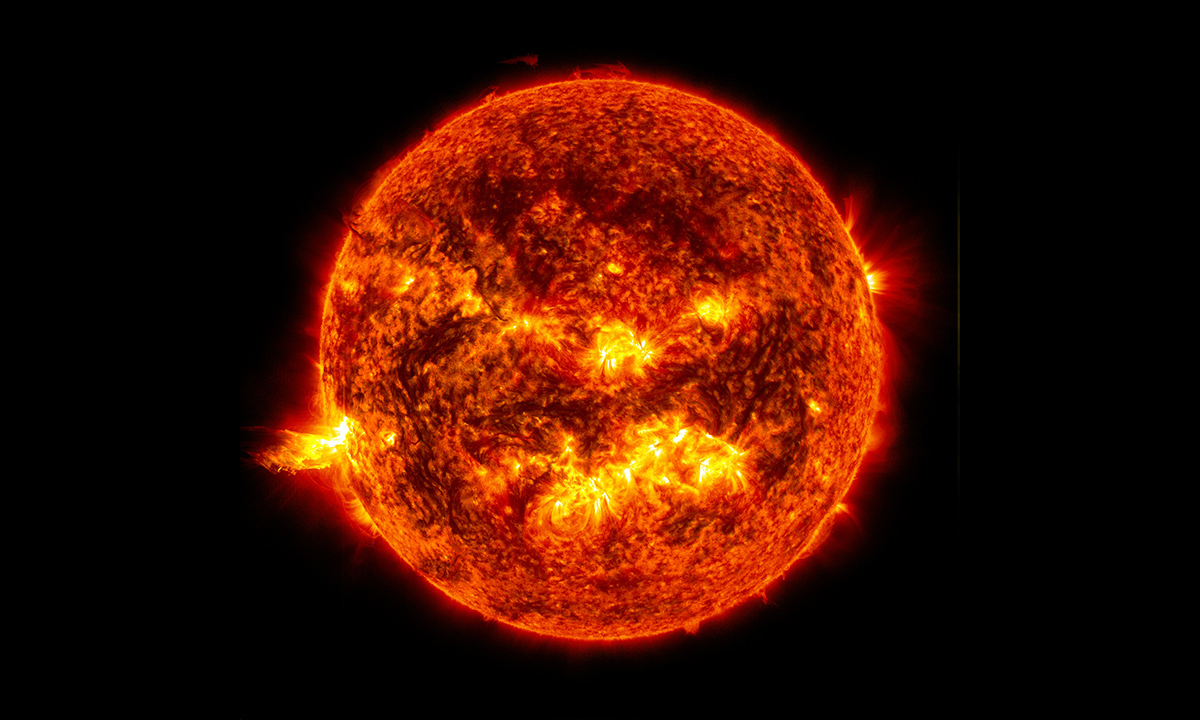
- "Sun Emits a Solstice Flare and CME" by NASA/SDO is in the Public Domain
- " Solar wind impact on the Earth's magnetosphere" by NASA is in the Public Domain
- "The Very Large Array" by NRAO
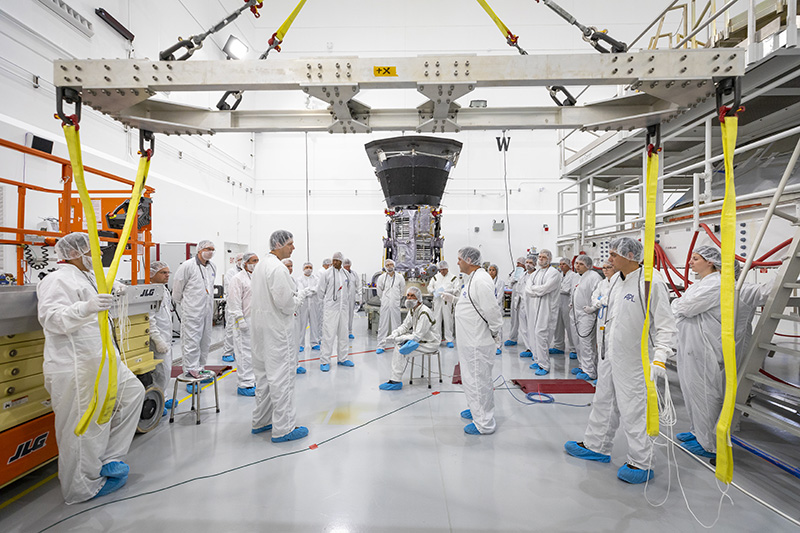
- "Parker Solar Probe sits inside a clean room at the Astrotech spacecraft processing facility in Titusville, Florida." by Ed Whitman, Johns Hopkins Applied Physics Laboratory, NASA is in thePublic Domain
- "Whitman1" by Ed Whitman, Johns Hopkins Applied Physics Laboratory, NASA is in the Public Domain
- "Artist’s impression of Parker Solar Probe approaching the Alfvén critical surface" by Ben Smith, Johns Hopkins Applied Physics Laboratory, NASA is in the Public Domain
- "Solar Probe Plus Moves into Advanced Development" by Johns Hopkins Applied Physics Laboratory, NASA is in the Public Domain
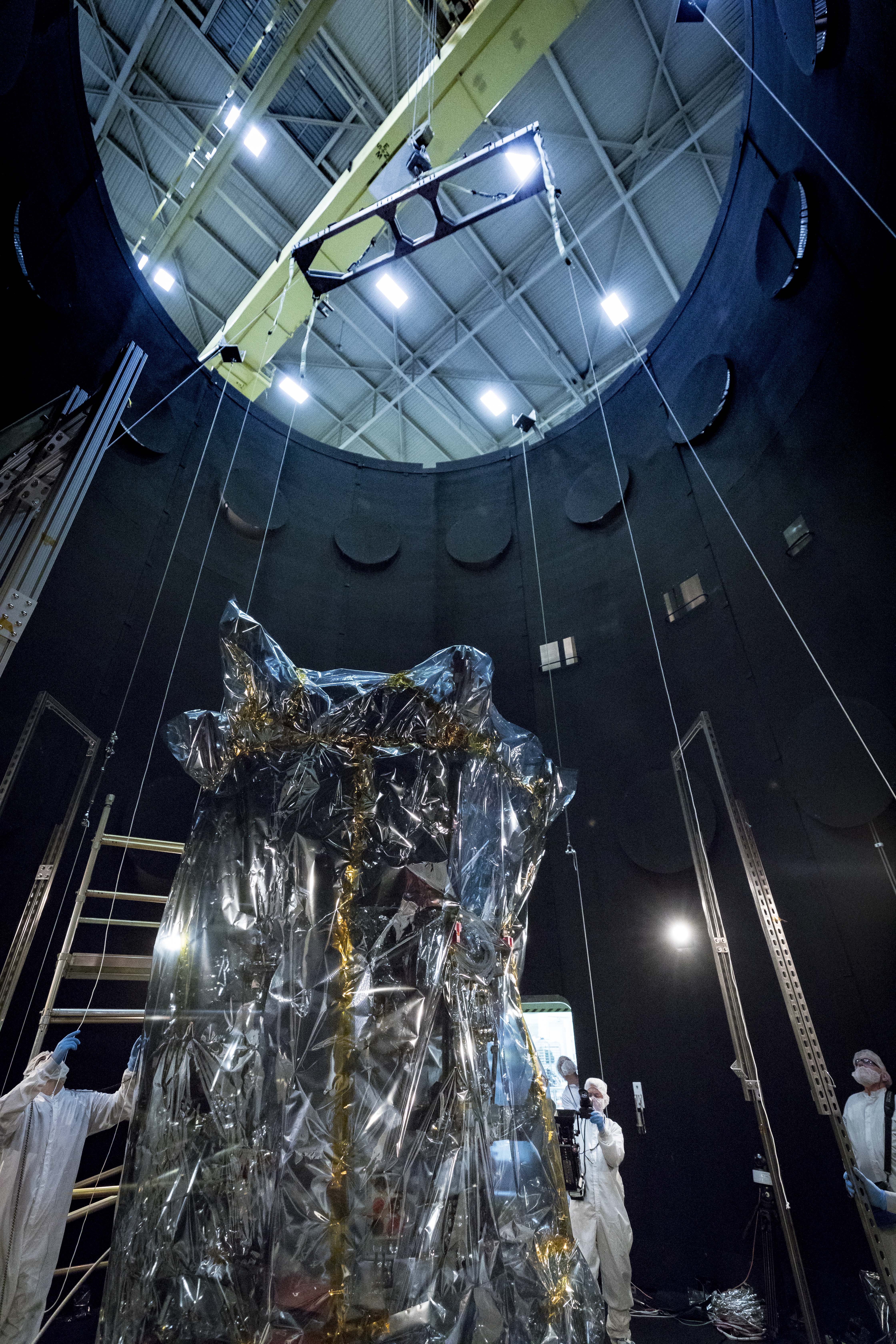
- "Parker Solar Probe Completes Space Environment Testing" by Johns Hopkins Applied Physics Laboratory, NASA is in the Public Domain
- "Whitman3" by Ed Whitman, Johns Hopkins Applied Physics Laboratory, NASA is in the Public Domain
- "Artist’s concept of Parker Solar Probe approaching the Sun." by Steve Gribben, Johns Hopkins Applied Physics Laboratory, NASA is in the Public Domain
- https://upload.wikimedia.org/wikipedia/commons/thumb/a/ac/Four_solaire_001.jpg/800px-Four_solaire_001.jpg
- By H. Zell - Own work, CC BY-SA 3.0, https://commons.wikimedia.org/w/index.php?curid=11386331
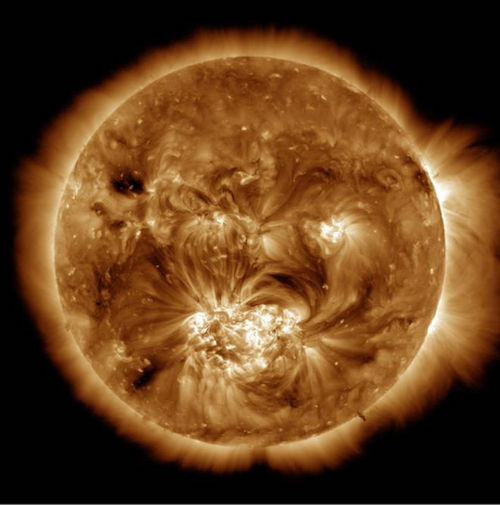
- "Image of corona from NASA's Solar Dynamics Observatory showing features created by magnetic fields." by NASA is in the Public Domain
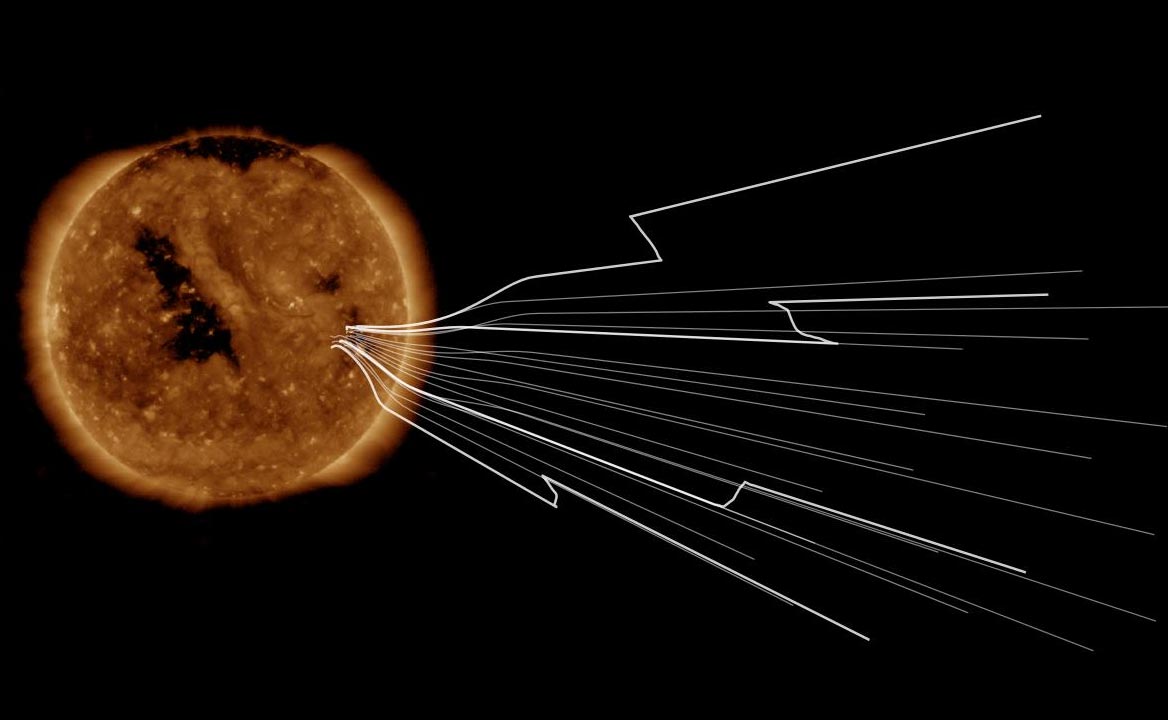
- "Solar Wind Switchbacks" by Ronan Laker, NASA, GONG, HelioPy, PFSSPy is in the Public Domain
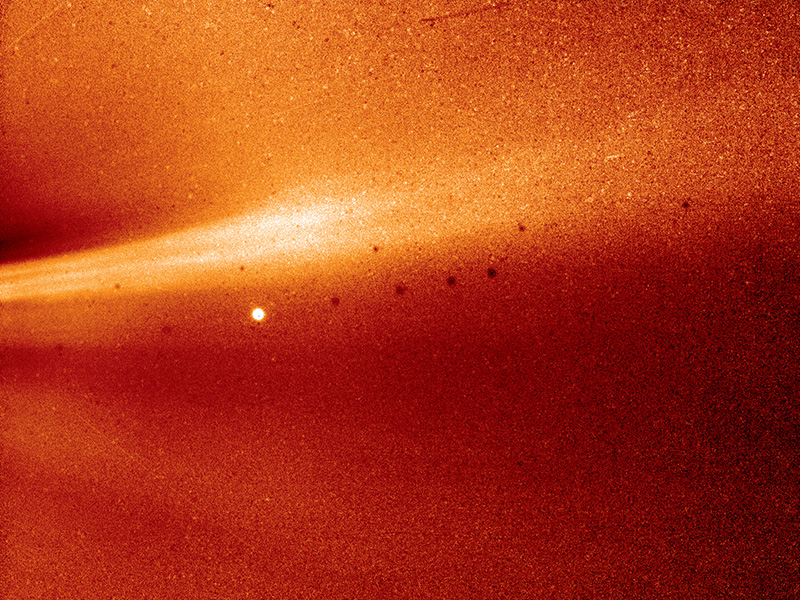
- Parker Solar Probe Spots Coronal Streamer by NASA, Naval Research Laboratory, Parker Solar Probe is in the Public Domain
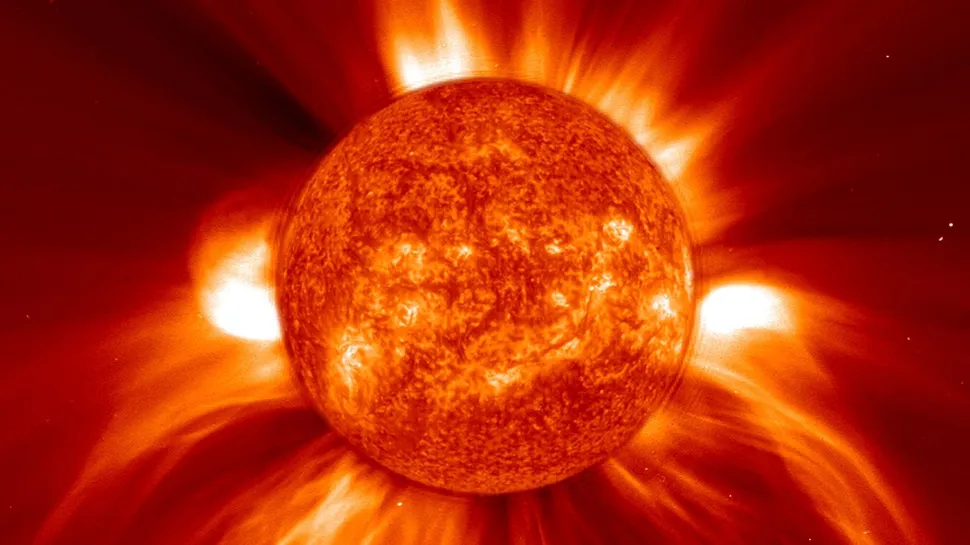
- A coronal mass ejection (CME) by NASA, ESA's Solar and Heliospheric Observatory (SOHO), and GSFC is in the Public Domain.
- Parker View of Earth by NASA, Naval Research Laboratory, Parker Solar Probe is in the Public Domain





Game Assets
Background - #53592 Pixel Art Galaxy - Rare Gallery HD Wallpapers (rare-gallery.com)
Objects - Pixel art computer space game objects. Video game 8-bit pixel rocket, pixel planet and
pixel artificial satellite. Space shuttle. Arcade video game Stock Vector | Adobe Stock
Programs
Adobe Illustrator - Created slide designs
Google Docs - Compiled data and brainstormed ideas
Replit - Allowed team collaboration on coding program files in HTML, CSS, Javascript
Videos
CBS Mornings. (2018, August 4). Meet the astrophysicist who inspired NASA’s first solar probe [Video]. YouTube. Retrieved October 2, 2022, from https://www.youtube.com/watch?v=rs9dnzzuhrA
JHU Applied Physics Laboratory. (2018, August 7). Parker Solar Probe Instruments: WISPR [Video]. YouTube. Retrieved October 2, 2022, from https://www.youtube.com/watch?v=w3ngdm6GTbc
JHU Applied Physics Laboratory. (2021, December 20). Parker Solar Probe Encounters Streamers on the Way to the Sun [Video]. YouTube. Retrieved October 2, 2022, from https://www.youtube.com/watch?v=IQXNqhQzBLM
Michigan Engineering. (2018, April 26). Parker Solar Probe | Faraday Cup Final Testing [Video]. YouTube. Retrieved October 2, 2022, from https://www.youtube.com/watch?v=gPtNhOGZCdc
NASA Goddard. (2022, February 9). NASA’s New Views of Venus’ Surface From Space [Video]. YouTube. Retrieved October 2, 2022, from https://www.youtube.com/watch?v=rk0PZ1qnLXw
NASA Goddard. (2017, May 31). Parker Solar Probe [Video]. YouTube. Retrieved October 2, 2022, from https://www.youtube.com/watch?app=desktop&v=XBudjihQKsw&feature=youtu.be
NASA Goddard. (2021, December 14). NASA’s Parker Solar Probe Touches The Sun For The First Time [Video]. YouTube. Retrieved October 2, 2022, from https://www.youtube.com/watch?app=desktop&v=LkaLfbuB_6E&feature=youtu.be