
High-Level Project Summary
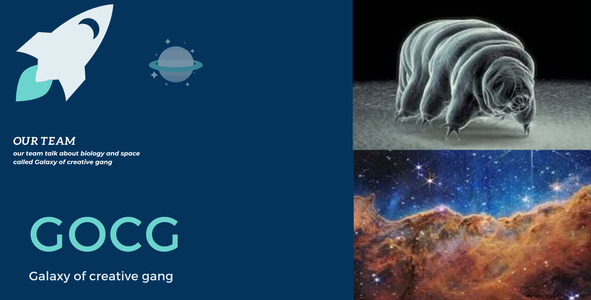
We discovered that there are many superheroes who are very exceptional and appropriate for space missions as we looked for our idea and tried to find our space superhero. This project is crucial for a variety of reasons. One of them is that these biological beings could eventually take the role of astronauts. Because it would reduce the risks astronauts must experience, this will be extremely beneficial to people. Additionally, since these superheroes can survive for extended periods of time without oxygen, it will aid in our exploration of space and other planets. Therefore, with the help of this project, space explorations will be simpler, quicker and help us to face Space Fears.
Link to Final Project
Link to Project "Demo"
Detailed Project Description
We will suffice with mentioning the summary and placing a link to the website on which our project is located, in addition to the sources. We hope to achieve your acceptance of our project so that we can take a step in browsing more about the subject Also, with our experience in some programming languages, we designed the site on which we present the project in HTML, CSS, JS.
Space Agency Data
NASA stated that it faces the danger of radiation to astronauts, and from here the idea came, and we began to work and search for the topic, and with the help of NASA, we came to the conclusion that the water bear with its characteristics that we mentioned in the project will help us in facing the danger of radiation and some other dangers of space if we make good use of it and develop the project Later on on the ground and we can also create a space hero by collecting different characteristics of the water bear and some other animals.
Hackathon Journey
I admit that it is one of the best experiences I have ever had... I learned patience, cooperation, endurance, participation, teamwork and leadership... What inspired me to choose this challenge is that we have good experience in biology and we love it, and we found it an opportunity to connect biology to space as something we love and aspire to achieve.
References
ريخ النشر: 2005 — وصلة : مُعرِّف أصنوفة في نظام المعلومات التصنيفية المتكامل (ITIS TSN) — تاريخ الاطلاع: 22 أكتوبر 2013
المؤلف: Roberto Guidetti و Roberto Bertolani — العنوان : Phylum Tardigrada Doyère, 1840 — نشر في: التنوع البيولوجي للحيوان: مخطط تفصيلي للتصنيف العالي المستوى ومسح ثراء التصنيف — الصفحة: 96–97 — العمل الكامل مُتوفِّر في: http://www.mapress.com/zootaxa/2011/f/zt03148p097.pdf
المؤلف: Michael A. Ruggiero، Dennis P. Gordon، Thomas M. Orrell، Nicolas Bailly و Thierry Bourgoin — العنوان : A Higher Level Classification of All Living Organisms — نشر في: بلوس ون — المجلد: 10 — الصفحة: e0119248 — العدد: 4 — https://dx.doi.org/10.1371/JOURNAL.PONE.0119248 — https://pubmed.ncbi.nlm.nih.gov/25923521 — https://www.ncbi.nlm.nih.gov/pmc/articles/PMC4418965 — العمل الكامل مُتوفِّر في: http://www.mapress.com/zootaxa/2011/f/zt03148p097.pdf — الرخصة: CC0
قاموس المورد، البعلبكي، بيروت، لبنان.
Tardigrades » American Scientist نسخة محفوظة 25 أبريل 2017 على موقع واي باك مشين.
أقوى حيوان في الوجود.. التارديغرادا - علوم و معارف - صفحات - مجلة نسيم للأطفال نسخة محفوظة 23 يونيو 2018 على موقع واي باك مشين.
أقوى حيوان بقاءا على وجه الأرض نسخة محفوظة 23 يونيو 2018 على موقع واي باك مشين.
Mohaton.com نسخة محفوظة 20 أغسطس 2016 على موقع واي باك مشين.
"mojtamai.com - mojtamai Resources and Information" en، مؤرشف من الأصل في 22 أكتوبر 2017، اطلع عليه بتاريخ 03 يناير 2020. {{استشهاد ويب}}: الوسيط غير صالح |script-title=: missing prefix (مساعدة)
ما هو أقوى حيوان في العالم؟ | عالم المعرفة نسخة محفوظة 25 ديسمبر 2017 على موقع واي باك مشين.
أقوى كائن على وجه الأرض ، الكائن الخارق .. دب الماء ~ حقائق علمية نسخة محفوظة 30 سبتمبر 2017 على موقع واي باك مشين.
"ماهو أقوى حيوان في العالم ؟"، مؤرشف من الأصل في 10 نوفمبر 2014.
cafeestar: هل تعلم ماهو أقوى حيوان في العالم ؟ ادخل وشوف أقوى حيوان في العالم نسخة محفوظة 25 يونيو 2018 على موقع واي باك مشين.
"ما هو اقوى حيوان في العالم ؟"، مؤرشف من الأصل في 12 أغسطس 2014.
dr-nidhal.com نسخة محفوظة 17 سبتمبر 2016 على موقع واي باك مشين.
ما هو أقوي الحيوانات في العالم | أرض المعرفة نسخة محفوظة 05 مارس 2016 على موقع واي باك مشين.
Meet the toughest animal on the planet: The water bear can survive being frozen, boiled and even float around in space and live for 200 years | Daily Mail Online نسخة محفوظة 12 سبتمبر 2017 على موقع واي باك مشين.
"Absurd Creature of the Week: The Incredible Critter That's Tough Enough to Survive in Space" en، مؤرشف من الأصل في 13 نوفمبر 2019، اطلع عليه بتاريخ 03 يناير 2020. {{استشهاد ويب}}: الوسيط غير صالح |script-title=: missing prefix (مساعدة)
Tardigrades نسخة محفوظة 18 يونيو 2018 على موقع واي باك مشين.
Bordenstein, Sarah (17 ديسمبر 2008)، "Tardigrades (Water Bears)"، كلية كارلتون، مؤرشف من الأصل في 12 أبريل 2019، اطلع عليه بتاريخ 16 سبتمبر 2012.
Staff (29 سبتمبر 2015)، "Researchers discover new tiny organism, name it for Wyeths"، أسوشيتد برس، مؤرشف من الأصل في 05 مايو 2016، اطلع عليه بتاريخ 29 سبتمبر 2015.
Perry, Emma؛ Miller, William (أبريل 2015)، "Echiniscoides wyethi, a new marine tardigrade from Maine, U.S.A. (Heterotardigrada: Echiniscoidea: Echiniscoididae)"، Proceedings of the Biological Society of Washington، 128 (1): 103–110، doi:10.2988/0006-324X-128.1.103، مؤرشف من الأصل في 10 مايو 2020، اطلع عليه بتاريخ 29 ديسمبر 2015.
Goldstein, B.؛ Blaxter, M. (2002)، "Quick Guide: Tardigrades"، Current Biology، 12 (14): R475، doi:10.1016/S0960-9822(02)00959-4.
Seki, Kunihiro؛ Toyoshima, Masato (29 أكتوبر 1998)، "Preserving tardigrades under pressure"، نيتشر (مجلة)، 395 (6705): 853–854، doi:10.1038/27576.
Kinchin, Ian M. (1994) The Biology of Tardigrades, Ashgate Publishing
Barnes, Robert D. (1982)، Invertebrate Zoology، Philadelphia, PA: Holt-Saunders International، ص. 877–880، ISBN 0-03-056747-5.
Gross V, Mayer G (2015)، "Neural development in the tardigrade Hypsibius dujardini based on anti-acetylated α-tubulin immunolabeling"، EvoDevo، 6: 12، doi:10.1186/s13227-015-0008-4، PMC 4458024، PMID 26052416، مؤرشف من الأصل في 16 نوفمبر 2019.
Zantke, Juliane؛ Wolff, Carsten؛ Scholtz, Gerhard (2008)، "Three-dimensional reconstruction of the central nervous system of Macrobiotus hufelandi (Eutardigrada, Parachela): implications for the phylogenetic position of Tardigrada" (PDF)، Zoomorphology، 127 (1): 21–26، doi:10.1007/s00435-007-0045-1، مؤرشف من الأصل (PDF) في 25 أغسطس 2016.
Greven, H. (ديسمبر 2007)، "Comments on the eyes of tardigrades"، Arthropod Structure & Development، 36 (4): 401–407، doi:10.1016/j.asd.2007.06.003، ISSN 1467-8039، PMID 18089118.
Morgan, Clive I. (1977)، "Population Dynamics of two Species of Tardigrada, Macrobiotus hufelandii (Schultze) and Echiniscus (Echiniscus) testudo (Doyere), in Roof Moss from Swansea"، The Journal of Animal Ecology، British Ecological Society، 46 (1): 263–279، doi:10.2307/3960، JSTOR 3960.
Lindahl, K. (15 مارس 2008)، "Tardigrade Facts"، مؤرشف من الأصل في 21 فبراير 2012.
Bell, Graham (2016)، "Experimental macroevolution"، Proceedings of the Royal Society B: Biological Sciences، 283 (1822): 20152547، doi:10.1098/rspb.2015.2547.
Dean, Cornelia (07 سبتمبر 2015)، "The Tardigrade: Practically Invisible, Indestructible 'Water Bears'"، نيويورك تايمز، مؤرشف من الأصل في 23 يونيو 2018، اطلع عليه بتاريخ 7 سبتمبر 2015.
Piper, Ross (2007), Extraordinary Animals: An Encyclopedia of Curious and Unusual Animals, Greenwood Press.
Horikawa, Daiki D. (2012)، Alexander V. Altenbach؛ Joan M. Bernhard؛ Joseph Seckbach (المحررون)، Anoxia Evidence for Eukaryote Survival and Paleontological Strategies. (ط. 21st)، Springer Netherlands، ص. 205–217، ISBN 978-94-007-1895-1، مؤرشف من الأصل في 10 مايو 2020، اطلع عليه بتاريخ 21 يناير 2012.
Tsujimoto, Megumu؛ Imura, Satoshi؛ Kanda, Hiroshi (فبراير 2015)، "Recovery and reproduction of an Antarctic tardigrade retrieved from a moss sample frozen for over 30 years"، Cryobiology، doi:10.1016/j.cryobiol.2015.12.003.
Becquerel, P. (1950)، "La suspension de la vie au dessous de 1/20 K absolu par demagnetization adiabatique de l'alun de fer dans le vide les plus eléve"، C. R. Hebd. Séances Acad. Sci. Paris (باللغة الفرنسية)، 231: 261–263.
Jönsson, K. Ingemar؛ Rabbow, Elke؛ Schill, Ralph O.؛ Harms-Ringdahl, Mats؛ Rettberg, Petra (09 سبتمبر 2008)، "Tardigrades survive exposure to space in low Earth orbit"، Current Biology، 18 (17): R729–R731، doi:10.1016/j.cub.2008.06.048، PMID 18786368.
Guidetti, R.؛ Jönsson, K.I. (2002)، "Long-term anhydrobiotic survival in semi-terrestrial micrometazoans"، Journal of Zoology، 257 (2): 181–187، doi:10.1017/S095283690200078X.
Jönsson, K. Ingemar؛ Bertolani, R. (سبتمبر 2001)، "Facts and fiction about long-term survival in tardigrades"، Journal of Zoology، 255: 121–123، doi:10.1017/S0952836901001169.
Kent, Michael (2000)، Advanced Biology، Oxford University Press،
Radiation tolerance in the tardigrade Milnesium tardigradum
Horikawa DD؛ Sakashita T؛ Katagiri C؛ Watanabe M؛ Kikawada T؛ Nakahara Y؛ Hamada N؛ Wada S؛ وآخرون (2006)، "Radiation tolerance in the tardigrade Milnesium tardigradum"، International Journal of Radiation Biology، 82 (12): 843–8، doi:10.1080/09553000600972956، PMID 17178624.
Horikawa, Daiki D.؛ Sakashita, Tetsuya؛ Katagiri, Chihiro؛ Watanabe, Masahiko؛ Kikawada, Takahiro؛ Nakahara, Yuichi؛ Hamada, Nobuyuki؛ Wada, Seiichi؛ وآخرون (01 يناير 2006)، "Radiation tolerance in the tardigrade"، International Journal of Radiation Biology، 82 (12): 843–848، doi:10.1080/09553000600972956، PMID 17178624.
Horikawa, Daiki D.، "UV Radiation Tolerance of Tardigrades"، NASA.com، مؤرشف من الأصل في 18 فبراير 2013، اطلع عليه بتاريخ 15 يناير 2013.
Jönsson, Ingemar؛ Beltran-Pardo, Eliana؛ Haghdoost, Siamak؛ Wojcik, Andrzej؛ Bermúdez-Cruz, Rosa Maria؛ Bernal Villegas, Jaime E.؛ Harms-Ringdahl, Mats (2013)، "Tolerance to gamma-irradiation in eggs of the tardigrade Richtersius coronifer depends on stage of development"، Journal of Limnology، 71 (12th International Symposium on Tardigrada)، مؤرشف من الأصل في 13 أبريل 2019، اطلع عليه بتاريخ 05 أغسطس 2013.
Franceschi, T. (1948)، "Anabiosi nei tardigradi"، Bolletino dei Musei e degli Istituti Biologici dell'Università di Genova، 22: 47–49.
Simon, Matt (21 مارس 2014)، "Absurd Creature of the Week: The Incredible Critter That's Tough Enough to Survive in the vacuum of Space"، مجلة وايرد، مؤرشف من الأصل في 25 مارس 2014، اطلع عليه بتاريخ 21 مارس 2014.
"Creature Survives Naked in Space"، Space.com، 08 سبتمبر 2008، مؤرشف من الأصل في 11 أكتوبر 2018، اطلع عليه بتاريخ 22 ديسمبر 2011.
Mustain, Andrea (22 ديسمبر 2011)، "Weird wildlife: The real land animals of Antarctica"، إم إس إن بي سي، مؤرشف من الأصل في 7 يناير 2012، اطلع عليه بتاريخ 22 ديسمبر 2011.
Courtland, Rachel (08 سبتمبر 2008)، "'Water bears' are first animal to survive space vacuum"، نيو ساينتست، مؤرشف من الأصل في 27 يونيو 2015، اطلع عليه بتاريخ 22 مايو 2011.
NASA Staff (17 مايو 2011)، "BIOKon In Space (BIOKIS)"، ناسا، مؤرشف من الأصل في 26 مارس 2019، اطلع عليه بتاريخ 24 مايو 2011.
Brennard, Emma (17 مايو 2011)، "Tardigrades: Water bears in space"، BBC، مؤرشف من الأصل في 7 مايو 2019، اطلع عليه بتاريخ 24 مايو 2011.
"Tardigrades: Water bears in space"، BBC Nature، 17 مايو 2011، مؤرشف من الأصل في 7 مايو 2019.
Rebecchi, L.؛ وآخرون، "Two Tardigrade Species On Board the STS-134 Space Flight" in "International Symposium on Tardigrada, 23–26 July 2012" (PDF)، ص. 89، مؤرشف من الأصل (PDF) في 7 سبتمبر 2018، اطلع عليه بتاريخ 14 يناير 2013.
Campbell, Lahcen؛ Omar Rota-Stabelli؛ Gregory D. Edgecombe؛ Trevor Marchioro؛ Stuart J. Longhorn؛ Maximilian J. Telford؛ Hervé Philippe؛ Lorena Rebecchi؛ وآخرون (2011)، "MicroRNAs and phylogenomics resolve the relationships of Tardigrada and suggest that velvet worms are the sister group of Arthropoda"، PNAS، 108 (38): 15920–4، doi:10.1073/pnas.1105499108، PMC 3179045، PMID 21896763.
Telford, Maximilian؛ Sarah J Bourlat؛ Andrew Economou؛ Daniel Papillon؛ Omar Rota-Stabelli (أبريل 2008)، "The evolution of the Ecdysozoa"، Phil. Trans. R. Soc. B، 363 (1496): 1529–1537، doi:10.1098/rstb.2007.2243، PMC 2614232، PMID 18192181، مؤرشف من الأصل في 3 سبتمبر 2018، اطلع عليه بتاريخ 09 سبتمبر 2013.
DNA Taxonomy.pdf "Sequencing of Tardigrade Genome" (PDF)، The Royal Society، 2003، مؤرشف من الأصل (PDF) في 5 مايو 2016، اطلع عليه بتاريخ 31 مايو 2013. {{استشهاد ويب}}: تحقق من قيمة |مسار أرشيف= (مساعدة)
Grimaldi, David A.؛ Engel, Michael S. (2005)، Evolution of the Insects، Cambridge University Press، ص. 96–97، ISBN 0-521-82149-5.
Budd, G. (2001)، "Tardigrades as 'Stem-Group Arthropods': The Evidence from the Cambrian Fauna"، Zoologischer Anzeiger، 240 (3–4): 265–279، doi:10.1078/0044-5231-00034، ISSN 0044-5231.
Cooper, Kenneth W. (1964)، "The first fossil tardigrade: Beorn leggi, from Cretaceous Amber"، Psyche – Journal of Entomology، 71 (2): 41، doi:10.1155/1964/48418.
Fortey, Richard A.؛ Thomas, Richard H. (2001)، Arthropod Relationships، Chapman & Hall، ص. 383، ISBN 0-412-75420-7.
Budd, G.E. (مارس 1996)، "The morphology of Opabinia regalis and the reconstruction of the arthropod stem-group"، Lethaia، 29 (1): 1–14، doi:10.1111/j.1502-3931.1996.tb01831.x.
"Genome Size of Tardigrades"، مؤرشف من الأصل في 17 مارس 2020.
Koutsovoulos, Georgios؛ Kumar, Sujai؛ Laetsch, Dominik R.؛ Stevens, Lewis؛ Daub, Jennifer؛ Conlon, Claire؛ Maroon, Habib؛ Thomas, Fran؛ Aboobaker, Aziz A.؛ Blaxter, Mark (2016)، "No evidence for extensive horizontal gene transfer in the genome of the tardigrade Hypsibius dujardini"، Proceedings of the National Academy of Sciences: 201600338، doi:10.1073/pnas.1600338113، ISSN 0027-8424.
"Rival Scientists Cast Doubt Upon Recent Discovery About Invincible Animals"، مؤرشف من الأصل في 24 نوفمبر 2018.
Gabriel, W؛ McNuff, Robert؛ Patel, Sapna K.؛ Gregory, T. Ryan؛ Jeck, William R.؛ Jones, Corbin D.؛ Goldstein, Bob (15 ديسمبر 2007)، "The tardigrade Hypsibius dujardini, a new model for studying the evolution of development"، Developmental Biology، 312 (2): 545–559، doi:10.1016/j.ydbio.2007.09.055، PMID 17996863.
Horikawa D.؛ وآخرون (06 يونيو 2013)، "Analysis of DNA Repair and Protection in the Tardigrade Ramazzottius varieornatus and Hypsibius dujardini after Exposure to UVC Radiation."، PLoS ONE، 8 (8(6): e64793.): e64793، doi:10.1371/journal.pone.0064793، PMC 3675078، PMID 23762256.
Tags
#Biology ,#Space