Awards & Nominations
Team_stars has received the following awards and nominations. Way to go!
Global Nominee

Team_stars has received the following awards and nominations. Way to go!
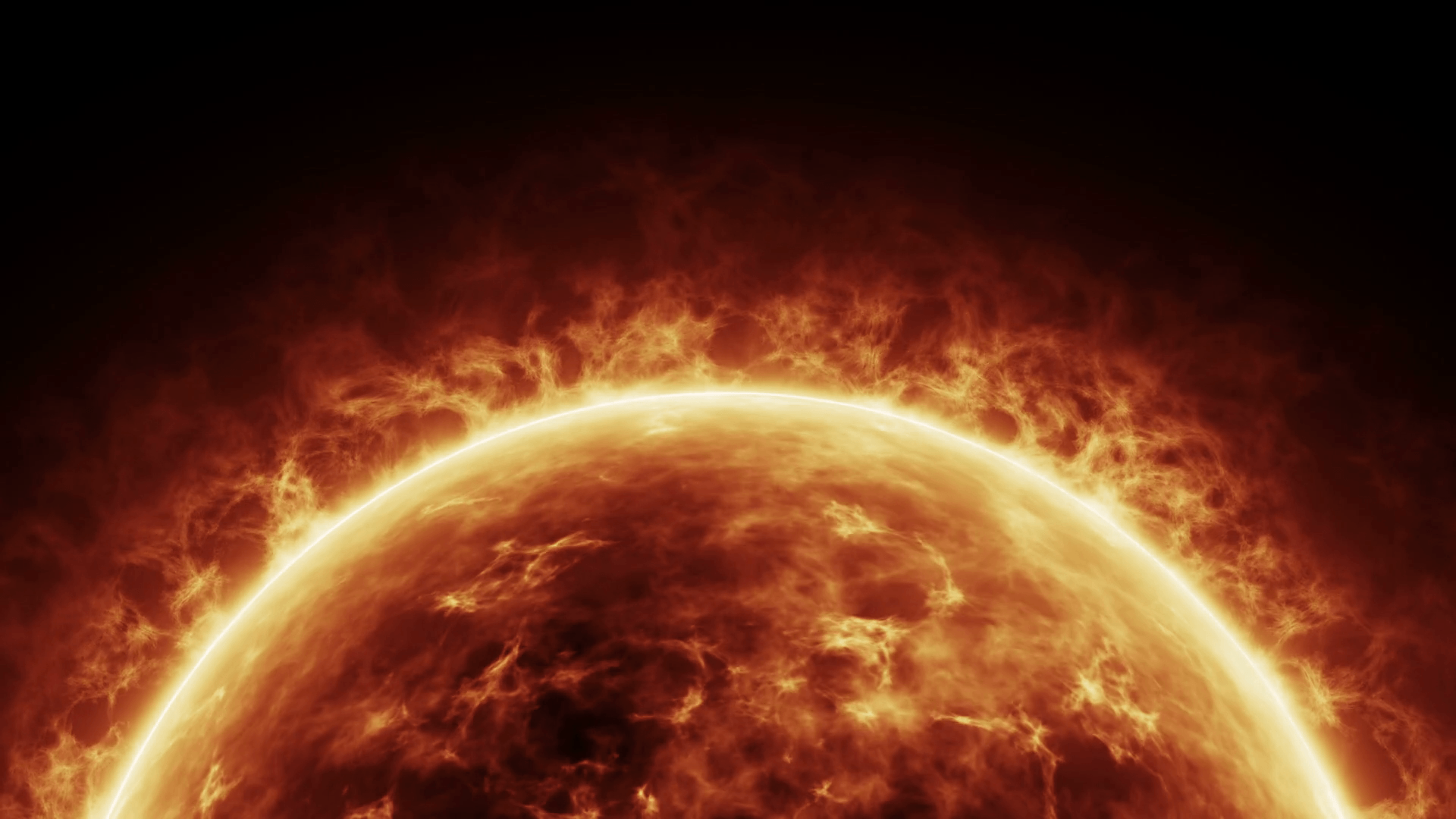
We developed an interactive website that teaches about stars and how they change. Our website focuses on variable stars and provides information that will help those to understand more about the twinkling dots in our night sky. Stars in the real world are usually too far away for the naked eye to observe and humans are not able to notice the changes that a star is going through. On our website, we provided a step-by-step interactive and informative game that allows our learners to see the stages of stars, the types of stars in the life phase, and how they change over time. The games and websites we created help the users understand the importance of stars and how they change in the night sky
We used Google Sites to create our website and Scratch to create our interactive games. Our home page gives a brief introduction about what a star is. Following this page, the user can play an interactive Scratch game that guides them to create their own star. Our next page describes the lifecycle that a star goes through. The users are given the option to choose which star they made from the game, and once chosen, they can see the lifecycle path of their star. These phase changes happen over a long period of time as seen from the noticeable size and color differences in each phase. The third page describes variable stars and how each change happens over a short amount of time. We provide further information on extrinsic and intrinsic variables and the different types of each star. Our last page is a set of fun facts about stars. With this informational website, we hope to educate users about the stellar variability of stars and each phase change that occurs.
The space agency we used is “Introduction to Cataclysmic Variables (CVs)” (https://imagine.gsfc.nasa.gov/science/objects/cataclysmic_variables.html). The website was helpful since it gave us a better understanding of a star. We were then able to use the information from the website to write about white dwarfs. The site also showed us a model of a dwarf, allowing us to see its features such as the ring of gas around it.
We also used the cepheid variable website (https://starchild.gsfc.nasa.gov/docs/StarChild/questions/cepheids.html) to find out more about cepheid variables which we included in our stellar variability page.
Our Space Apps experience was extremely positive despite it being somewhat stressful. We were able to learn a vast amount about the different types of stars and what causes them to vary. We were inspired by the stunning amount of stars and the significant role they play in our galaxy. Before starting on the project, we decided on choosing a website to display and spread our information. We began by jotting down notes on a document and then transferred it onto the website. Furthermore, we started to create interactive projects on Scratch. The largest setback we had was beginning the Scratch projects, as it was a little unfamiliar and difficult to work on as there could only be one creator. However, we were able to complete the website with teamwork and cooperation.
Website resources:
Life Cycle of Stars
Stellar Variability
Fun Facts in the Night Sky
#stars #2D #phases
The stars above are constantly changing, but usually these changes are too slow or too faint for the eye to see. Your challenge is to develop a learning tool to teach people about stellar variability and help them understand how dynamic the night sky really is!