
 ahmet efe demir
 ahmet efe demir
The deterioration of the climate system, which is a natural part of life and varies according to regions, brings with it very serious problems. The impact of the climate and environmental problems experienced with the industrial revolution in the world has begun to be felt today, and the effects of climate change on human health have become visible. This change has direct and indirect effects, as well as short-term and long-term effects. Weather events, which are the direct effects triggered or affected by climate change, and the emergence of various diseases, which are indirect effects, are very closely related to human health. Countries take various adaptation measures to mitigate the effects of climate change in order to protect public health and minimize human losses or health risks, but current policies are still not sufficient. Countries need to urgently put into action, coordinate, revisit their investments, and take additional policy actions, especially in order to achieve a radical change in the basic production and consumption systems.
SOURCE:VOICE OF NATURE
 MUHAMMED BARAN CAN
 MUHAMMED BARAN CAN
Between 1880 and 2012, the average global (land and water) surface temperature increased by 0.85 °C, from 0.65 °C to 1.06 °C, according to independently generated datasets.However, in the context of global warming, he mentions that the average temperature rise in the atmosphere near the surface, the additional energy stored in the climate system has been transmitted to the oceans since 1970. This leads to melting of glaciers and warming of the continents and atmosphere.
According to satellite temperature measurement data, since 1979, the average temperature of the lower troposphere has increased between 0.12 and 0.135 °C (0.216 and 0.243 °F) per decade.Climate proxies indicate that temperatures were relatively regular during the one or two millennia before 1850, despite regional fluctuations such as the Medieval Temperate Period and the Little Ice Age.
The increase in temperature detected by instrumentation is also consistent with large-scale observations documented by various independent scientific groups, with earlier spring experiences such as extensive melting of snow and ice-covered areas, increased ocean heat contribution, specific humidity increase, and plant blooming. between.The probability of these changes occurring by chance is almost zero.
Information Source
Wikipedia-Climate Change Page
 Poyraz Yiğit Aydın
Climate change; temperature, precipitation, sea level,
coastal areas, vegetation, species, life
in many areas such as health, socio-economic structure
affecting the industry. From energy to agriculture
life from health to water resources
It affects almost all sectors.
Due to global climate change, many different
scientists, politicians and even
Most discussed by civil society organizations
and atmospheric research, energy, meteorology,
food, environment, hydrology, agriculture and water resources
most commonly found in management literature.
Poyraz Yiğit Aydın Poyraz Yiğit Aydın
 ahmet efe demir
Harmful Effect of Climate Change on Human Health
Climate change negatively affects health by disrupting the water, food chain and living environment necessary for living, with direct (eg hot air, air pollution) or indirect effects (eg water scarcity, migration) on people. Climate change has a devastating effect on access to clean water, clean air, maintaining social structure, safe housing and food security. With the change in the distribution of disease-carrying vectors, an increase in the number of diseases and deaths can be observed in infectious diseases (eg malaria), diarrheal diseases, extreme weather events and air pollution.
Poyraz Yiğit Aydın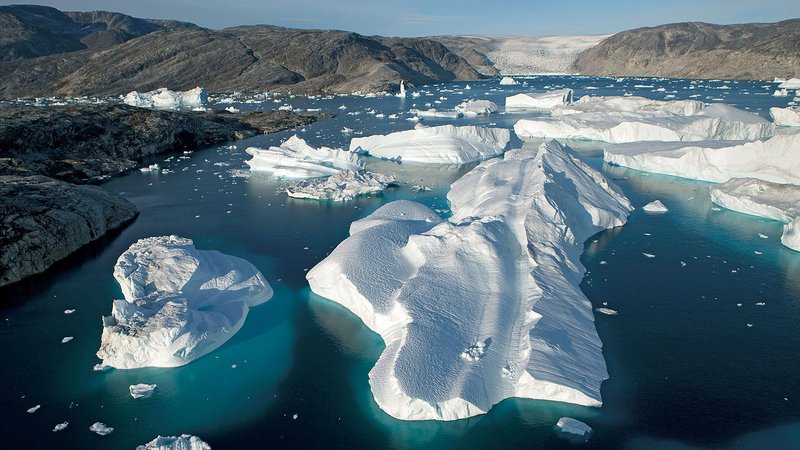 Poyraz Yiğit Aydın
 Poyraz Yiğit Aydın
 Poyraz Yiğit Aydın