
High-Level Project Summary
We developed a theoretical game in which the player was provided with our research information in the form of clues. At the end the player was to make a superhero which could survive in space and on undiscovered planets using all the clues provided to them. It is important to know what organisms to expect while discovering new planets and to help make changes in the DNA of already existing organisms so that they may survive in conditions that are fatal for them as of now.
Link to Final Project
Link to Project "Demo"
Detailed Project Description
Our project informs people about the challenges and stresses organisms face in space and on new planets, to keep the users updated on the challenges space agencies are trying to overcome. We have developed a game idea in which there is a mystery which helps people learn about what organisms faces which environmental stress. It helps the player to have a sense of responsibility and empathize with fellow humans who go on long and tiring space missions. We hope that in the future, scientists succeed in developing a technology that can make our proposed theoretical changes practically possible. The game idea that we have proposed is only in theory but we have made a PowerPoint presentation which demonstrates our idea.
Space Agency Data
We only made use of NASA’s Open data. We also conducted our research from a few other websites which include: britannica.com, smithsonianmag.com, popularmechanics.com.
We took the information from the websites, found the points relevant to our topic and included them in our presentation.
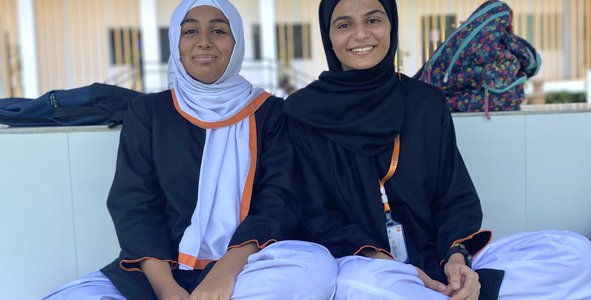
The inspiration behind our superhero is the ideology we discussed, as in our teammates. We wanted something unique, something that is different and wanted to think outside the box.
Hackathon Journey
Our experience has been an extremely informative one. The motivational speakers invited for the event boosted our confidence and the event itself was overall enjoyable. We learnt how to interact with new people and work in different environments. We also learnt as to how to think outside the spot and how to work under pressure and face a large amount of audience. Our team chose this challenge because we felt we could excel in this topic. We approached for a practically possible solution to the problems portrayed to us so that they could be brought into action in the future. Whenever we came to a standstill while solving the challenge, we researched on the topic more and tried to motivate each other to not lose hope. We would like to thank our physics sir for introducing us to NASA Space Apps challenge and giving us exposure to such an incredible event.
References
Picture of tardigrade 1: https://www.nationalgeographic.com/animals/invertebrates/facts/tardigrades-water-bears
Picture of Neil Armstrong: https://en.wikipedia.org/wiki/Neil_Armstrong
Data regarding human stresses: https://www.nasa.gov/hrp/5-hazards-of-human-spaceflight/
Picture of tardigrade 2: https://cen.acs.org/biological-chemistry/biochemistry/tardigrades-survive-space/97/i41
Data regarding tardigrade: https://www.popularmechanics.com/space/a11137/tardigrades-water-bears/
Picture of D. Radio durans: https://en.wikipedia.org/wiki/Deinococcus_radiodurans
data of D. radio durans: https://www.smithsonianmag.com/science-nature/scientists-discover-exposed-bacteria-can-survive-space-years-180975660/
Pie chart: https://www.intechopen.com/chapters/59553
Reference picture of superhero 1: https://www.vectorstock.com/royalty-free-vector/blue-female-robot-space-suit-superhero-cyborg-vector-21273564
Reference picture of superhero 2: https://www.vectorstock.com/royalty-free-vector/blue-female-robot-space-suit-superhero-cyborg-vector-21273563
Tags
#game #biology #superhero #space #stress